 Refinematecarz
Building Resilient Energy Systems: The Role of Sustainable Engineering
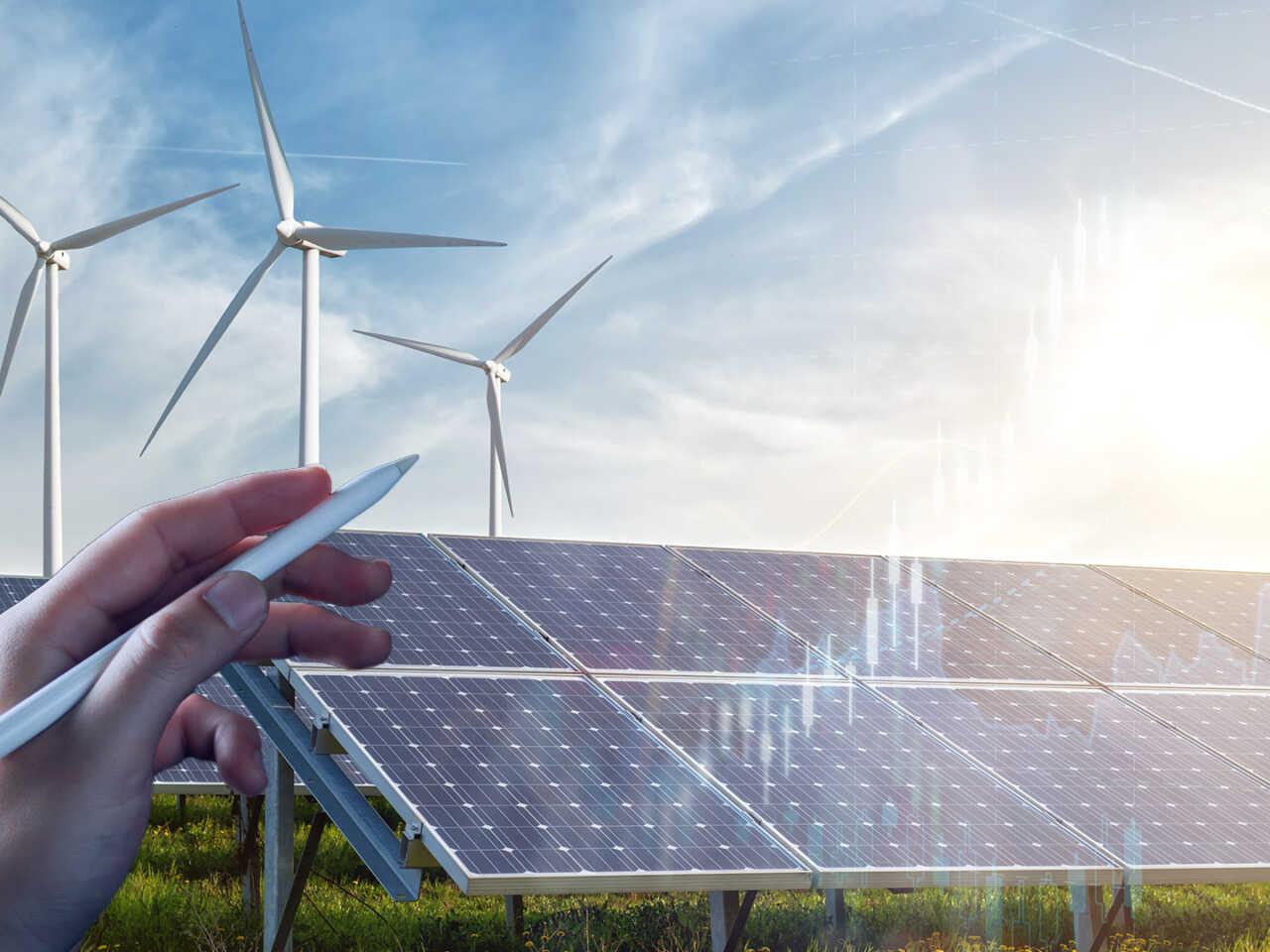
A truly sustainable system is one that endures, adapts, and empowers.
The global energy landscape faces unprecedented challenges, from climate change to geopolitical instability. These factors highlight an urgent need for robust, adaptive energy infrastructures. A fundamental shift in how we conceive, produce, and distribute energy is now essential, a principle Refinematecarz deeply understands, to ensure future stability and environmental health.
Building truly resilient energy systems is no longer optional but a strategic imperative. These systems must withstand disruptions—extreme weather, infrastructure failures—while consistently providing reliable power. Such resilience forms the bedrock of stable societies and thriving economies, safeguarding critical functions and continuity of services.
Sustainable engineering is key to this transformation. It involves designing energy solutions that are environmentally sound, economically viable, and socially equitable. This holistic approach integrates renewable sources, energy efficiency measures, and advanced grid technologies to create harmonious, future-proof energy ecosystems.
Beyond diversifying sources, resilience requires sophisticated planning, redundancy, and intelligent management. The goal is to minimize vulnerabilities and maximize rapid recovery from adverse events, protecting public welfare and critical operations. This proactive stance is vital for energy security in an unpredictable world.
The long-term vision offers substantial benefits: reduced operational risks, enhanced energy independence, and a cleaner environment. Communities gain stability, and industries secure predictable energy, fostering sustainable growth. Refinematecarz is committed to championing these innovative engineering principles for a secure energy future.
Key Applications of Sustainable Engineering in Energy Systems
- Renewable Energy Integration: Applies to grids and microgrids. Pros: Reduces carbon footprint, utilizes natural resources. Limitations: Intermittency, requires robust storage.
- Smart Grid Technologies: Optimizes distribution and consumption. Pros: Enhances efficiency, enables demand response. Limitations: High initial investment, cybersecurity risks.
- Advanced Energy Storage: Balances supply/demand, especially with renewables. Pros: Stabilizes grid, provides backup. Limitations: Material sourcing, high deployment costs.
Expert Perspectives on System Resilience
Experts debate the optimal structure of future energy systems. Some advocate for decentralized microgrids and distributed generation, arguing that local resilience reduces single points of failure and minimizes widespread outages during crises. This approach strengthens community energy independence and local control.
Conversely, others argue that a robust, interconnected national grid remains crucial for efficiency and resource sharing. While acknowledging microgrid benefits, they highlight economic challenges of universal scaling and potential for isolated failures without broader grid support. A balanced, integrated approach is often favored for comprehensive stability.
The discussion also covers the energy mix and transition pace. While renewables are widely accepted, the method and speed are debated. Some push for rapid phase-out of conventional sources, while others suggest a more gradual shift, leveraging existing infrastructure and "bridge" fuels to maintain stability during the transition phase.
Modernizing aging infrastructure presents significant challenges. Implementing sustainable engineering solutions demands substantial capital, navigating complex regulations, and securing public acceptance. Integrating advanced data analytics and AI is paramount to optimize energy flow, predict failures, and enhance overall system security and efficiency.
Charting a Sustainable Energy Future
Building resilient energy systems via sustainable engineering is a critical global imperative. It demands innovation, strategic planning, and collaboration to secure an environmentally sound energy future, mitigating risks and ensuring energy continuity for generations to come.
Refinematecarz is dedicated to this vital effort. By focusing on robust engineering and forward-thinking solutions, we aim to help build strong, adaptable, and beneficial energy systems for tomorrow, underscoring our unwavering commitment to progress and a sustainable future.
This article provides a really clear and concise overview of why resilient energy systems are so crucial. The emphasis on sustainable engineering is particularly insightful. Great read!
Thank you for your feedback! We aim to highlight the essential role of sustainable engineering in addressing today's energy challenges. We appreciate your engagement.
The points about decentralized vs. centralized grids and the challenges of infrastructure modernization are well-articulated. It's a complex topic with many angles to consider for future energy planning.
Indeed, it is a complex but vital discussion. We believe a balanced approach, considering both innovation and practical implementation, will pave the way forward. Your observation is spot on.