 Refinematecarz
Unlocking Clean Energy Potential: A Look at Emerging Technologies
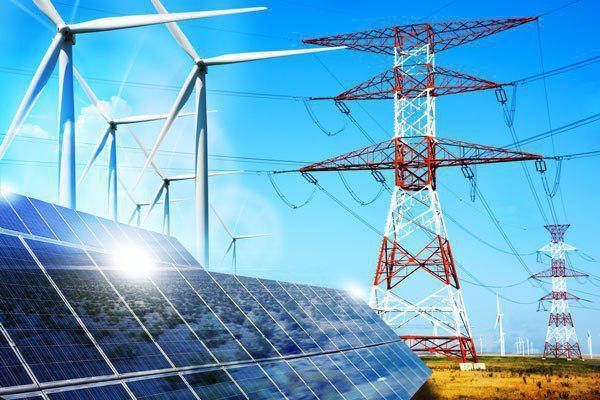
The future of energy is being built today, one breakthrough at a time.
The global demand for energy continues its relentless ascent, fueled by population growth and technological advancement. This escalating need presents humanity with a critical challenge: how to power our future without compromising the planet's delicate balance. The urgency to transition away from carbon-intensive sources has never been more apparent, driving an unprecedented wave of innovation in clean energy solutions.
For decades, the energy landscape has been dominated by conventional fuels, which, while providing abundant power, have also contributed significantly to environmental degradation and climate change. Recognizing these profound impacts, nations and industries worldwide are increasingly committing to ambitious sustainability goals. This shift underscores a collective understanding that a fundamental transformation of our energy infrastructure is not merely desirable, but absolutely essential for long-term planetary health.
In this pivotal era, the spotlight shines brightly on emerging clean energy technologies. These aren't just incremental improvements; they represent potentially disruptive advancements poised to redefine how we generate, store, and consume power. From novel materials to sophisticated engineering, the frontiers of clean energy are expanding rapidly, offering tantalizing prospects for a more sustainable and resilient global energy system. Companies like Refinematecarz are keenly observing these developments.
The pursuit of these innovations is driven by a dual imperative: to mitigate environmental harm and to secure reliable, affordable energy for all. Understanding the nuances of these nascent technologies is crucial for policymakers, industry leaders, and the public alike. Their successful integration requires careful consideration of technical feasibility, economic viability, and societal acceptance, fostering informed discussion around their transformative capacity.
The path to a fully decarbonized future is complex, yet illuminated by the ingenuity of scientists and engineers worldwide. Each breakthrough, no matter how small, contributes to the larger mosaic of a clean energy ecosystem. Embracing these innovations is key to unlocking a future where energy needs are met sustainably, paving the way for a healthier planet for generations to come.
Key Emerging Clean Energy Applications
Emerging clean energy technologies are finding diverse applications across various sectors:
- Advanced Battery Storage: Crucial for grid stability and electric transport. Offers higher density. Pros: improved reliability. Cons: material scarcity, scaling.
- Green Hydrogen Production: Versatile, renewably sourced energy for industry/transport. Pros: zero emissions. Cons: high cost, infrastructure build-out.
- Small Modular Reactors (SMRs): Compact nuclear designs for reliable baseload power. Pros: small footprint, safety. Cons: public perception, regulation.
Expert Perspectives on Clean Energy Evolution
Experts hold varied views on the pace and trajectory of clean energy adoption. Some foresee a rapid transition, driven by decreasing technology costs and growing environmental awareness, predicting widespread integration of renewables and storage within the next two decades. They emphasize the potential for decentralized energy systems to empower communities and enhance energy security, reducing reliance on centralized grids.
Conversely, other specialists caution against over-optimism, highlighting significant hurdles such as grid modernization, raw material availability, and the sheer scale of infrastructure transformation required. They argue that while the technologies are promising, the logistical and economic challenges of deploying them globally are immense, requiring sustained political will and substantial commitments beyond current levels.
The debate surrounding specific technologies, like green hydrogen, often centers on its production efficiency and distribution challenges. Proponents laud its potential as a clean fuel for hard-to-decarbonize sectors, seeing it as a critical piece of the puzzle. However, critics point to the energy intensity of electrolysis and the current lack of widespread transport and storage infrastructure as major barriers to its immediate, large-scale deployment.
Similarly, the role of advanced nuclear technologies, such as SMRs, sparks considerable discussion. Advocates underscore their potential for reliable, carbon-free baseload power, arguing they are indispensable for a stable grid alongside intermittent renewables. Detractors, however, raise concerns about waste management, security, and the long lead times for regulatory approval, suggesting that public trust remains a significant hurdle.
Ultimately, the consensus among many thought leaders is that no single technology will provide a silver bullet. A diverse portfolio approach, combining various renewable sources, advanced storage, and potentially next-generation nuclear, is deemed most effective. This requires ongoing research, policy support, and collaboration across industries, including companies like Refinematecarz, to accelerate development and deployment.
Charting the Course Forward
The journey towards a clean energy future is complex, yet emerging technologies offer profound hope. These innovations represent a significant shift in meeting humanity's energy needs sustainably. Continued dedication to research and development is paramount to unlocking their full potential.
Embracing these novel solutions requires a concerted global effort, encompassing policy support and collaboration. Challenges are considerable, but the imperative to act is undeniable. Fostering innovation accelerates the transition to a robust, environmentally sound energy landscape for all.
0 Comments
Leave a Reply
Thank you for your comment, after moderation it will be published on our website.