 Refinematecarz
The Path to a Greener Grid: Innovations in Renewable Energy
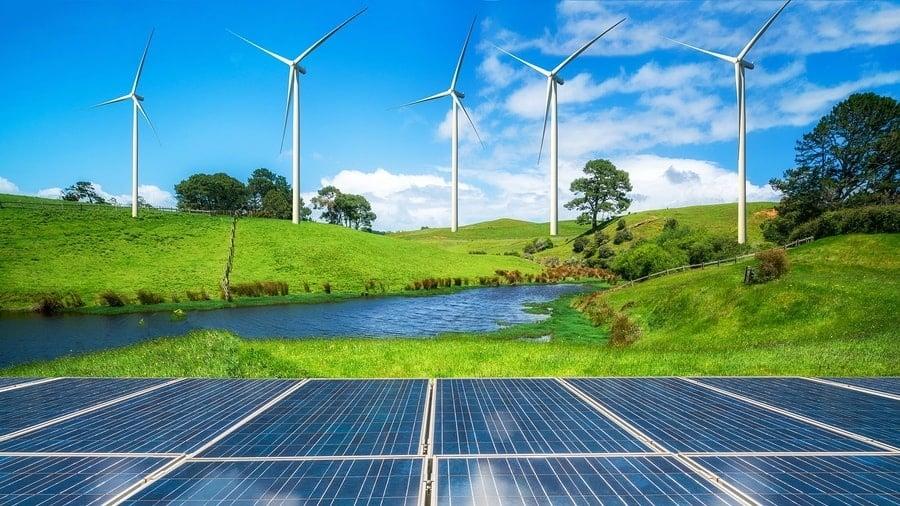
Innovation isn't just about new tech; it's about smarter ways to power our world.
The global energy sector stands at a pivotal juncture, driven by an urgent need to address climate change and ensure a sustainable future. A fundamental shift away from conventional energy sources towards cleaner, renewable alternatives is not merely an environmental imperative but a strategic necessity for long-term global stability. This transition demands innovative thinking and robust technological advancements to reshape how we generate, distribute, and consume power across the globe. The journey towards a greener grid is complex, yet filled with immense potential for progress and societal benefit.
Renewable energy sources, such as solar and wind power, offer a compelling pathway to drastically reduce carbon emissions and mitigate the adverse effects of a changing climate. Their inherent ability to harness natural, inexhaustible resources presents a viable alternative to finite fossil fuels, promising a cleaner atmospheric footprint. However, integrating these variable sources into existing infrastructure presents unique challenges that require sophisticated solutions. The intermittency of natural phenomena necessitates advanced grid management and storage capabilities.
One of the primary hurdles in this ambitious transition is ensuring grid stability and reliability when relying heavily on intermittent sources. Traditional grids were designed for centralized, predictable power generation, making the integration of decentralized and variable renewable inputs a significant technical challenge. This calls for smart grid technologies, advanced forecasting, and dynamic load management systems that can adapt to fluctuating supply and demand patterns, maintaining uninterrupted service for consumers and industries alike.
Innovation is the bedrock upon which a truly green grid will be built. From revolutionary battery storage technologies to sophisticated artificial intelligence algorithms that optimize energy flow, the pace of development is accelerating. These advancements are not just about producing more clean energy; they are about making that energy reliable, accessible, and economically viable on a grand scale. Companies like Refinematecarz recognize the critical role of these innovations in shaping a resilient energy future.
The transformation of our energy infrastructure is a monumental undertaking, requiring concerted efforts from governments, industries, and communities. It involves substantial investment in research and development, policy adjustments to encourage adoption, and public engagement to foster understanding and support. This collaborative approach is essential to overcome the technical, economic, and social barriers that inevitably arise during such a profound societal shift, paving the way for a more sustainable planet for generations to come.
Embracing a greener grid offers a multitude of benefits beyond environmental protection. It can lead to enhanced energy independence, shielding nations from volatile global energy markets and geopolitical uncertainties. Furthermore, the development and deployment of renewable energy technologies stimulate economic growth, creating new industries and employment opportunities in a burgeoning sector. This holistic approach ensures that the transition is not only environmentally sound but also economically and socially advantageous.
Key Applications and Advancements
-
Solar Power Integration: Widespread adoption of photovoltaic systems, from utility-scale farms to residential rooftops, significantly reduces reliance on conventional power. Pros: Modular, scalable, and increasingly cost-effective. Limitations: Requires effective energy storage and smart grid management to handle variability.
-
Wind Energy Development: Large-scale onshore and offshore wind farms are critical components of a low-carbon energy mix, providing substantial clean electricity. Pros: High capacity factor in suitable locations and mature technology. Limitations: Intermittent output and site-specific resource availability can pose challenges.
-
Grid Modernization and Storage: Implementing smart grid technologies, advanced battery storage, and hydrogen solutions is vital for balancing supply and demand. Pros: Enhances grid resilience, optimizes energy distribution, and enables greater renewable penetration. Limitations: Significant initial capital outlay and complex system integration requirements.
Expert Perspectives on Grid Evolution
Experts widely agree that energy storage solutions are paramount to unlocking the full potential of renewable energy. The ability to store excess power generated during peak production times and release it when demand is high or renewable output is low is a game-changer. Lithium-ion batteries currently lead the market, but research into next-generation technologies like solid-state batteries, flow batteries, and green hydrogen production for long-duration storage is accelerating. These innovations promise to make renewable energy dispatchable and reliable, mirroring the capabilities of traditional power plants.
Another significant area of discussion revolves around the concept of distributed energy resources (DERs) and the proliferation of microgrids. Rather than solely relying on a centralized grid, DERs – such as rooftop solar, small wind turbines, and local storage – allow for localized power generation and consumption. Microgrids, which can operate independently or connected to the main grid, enhance local resilience, especially during outages. This decentralized approach is seen by many as a crucial step towards a more robust and adaptable energy system, offering communities greater control over their power supply.
However, the integration of DERs and microgrids also presents a complex debate regarding infrastructure priorities. Some argue for massive investment in upgrading and expanding the existing transmission and distribution network to handle increased renewable flow. Others advocate for a more decentralized model, where local generation and consumption minimize the need for extensive long-distance transmission. A balanced approach, combining strategic grid modernization with the deployment of local solutions, is likely to be the most effective path forward, ensuring both efficiency and resilience across diverse regions.
Policy and regulatory frameworks play an indispensable role in accelerating the transition to a greener grid. Clear, consistent policies that incentivize renewable energy development, support grid modernization, and facilitate the adoption of new technologies are essential. Without appropriate regulatory structures, even the most groundbreaking innovations can face significant barriers to market entry and widespread deployment. Forward-thinking governance is crucial for creating an environment where sustainable energy solutions can thrive and scale effectively, ensuring a level playing field for emerging technologies.
Beyond national efforts, international collaboration and knowledge sharing are increasingly recognized as vital for global progress. The challenges of climate change and energy transition are universal, and sharing best practices, technological advancements, and policy successes across borders can significantly accelerate the pace of change. Collaborative research initiatives and joint development projects can pool resources and expertise, leading to more rapid breakthroughs and broader implementation of sustainable energy solutions worldwide. This global perspective is critical for achieving ambitious climate targets.
Looking Ahead: A Resilient Energy Future
The journey towards a greener grid is an ongoing evolution, marked by continuous innovation and adaptation. The concerted efforts of engineers, policymakers, and industry leaders are steadily transforming our energy infrastructure into one that is cleaner, more efficient, and inherently more resilient. As Refinematecarz continues to observe and engage with these transformative trends, the commitment to a sustainable energy future remains a core guiding principle in the broader industrial landscape.
The path forward demands sustained dedication to research, development, and thoughtful implementation of advanced technologies. By embracing smart grids, diverse renewable sources, and robust storage solutions, we are not just addressing environmental concerns but building a foundation for enhanced energy security and economic vitality. A future powered by sustainable energy is within reach, requiring continued collaboration and a shared vision for a healthier planet.
0 Comments
Leave a Reply
Thank you for your comment, after moderation it will be published on our website.